
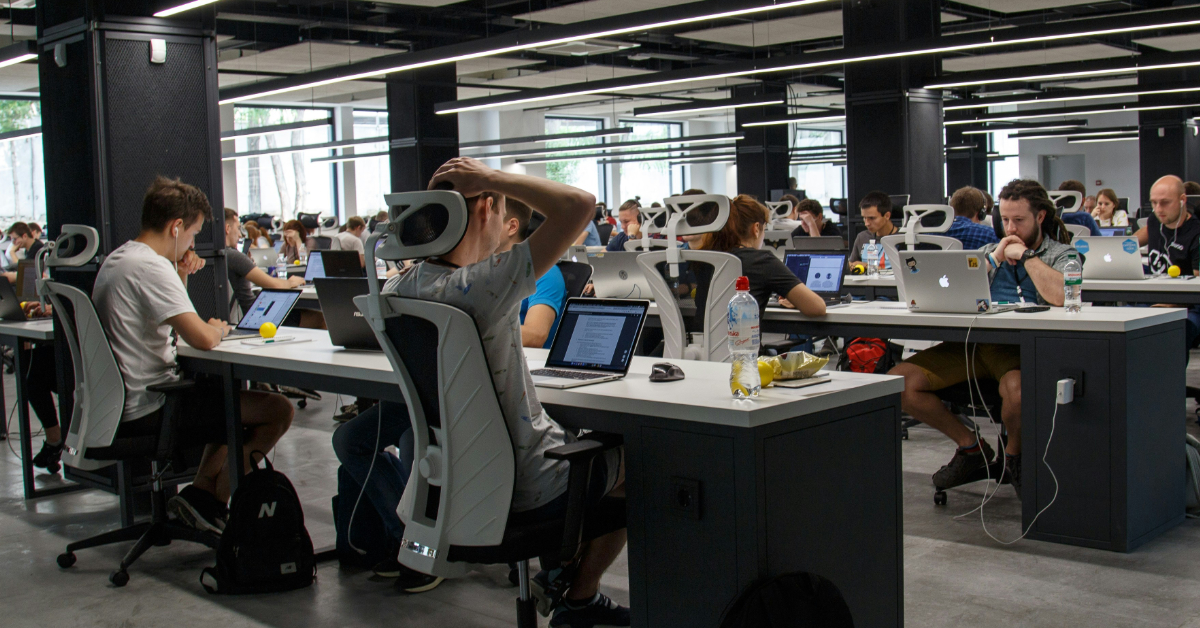
Think about your average weekday.
You wake up, sit at the table for breakfast, sit in the car or train to work, sit at your desk, sit in meetings, sit for lunch, sit again to finish your tasks, then sit on the sofa in the evening.
By the time you go to bed, you may have been on your feet for just a fraction of the day. It’s so normalised that we rarely question it — but our bodies (and minds) are quietly keeping score.
The Reality of the “Sitting Epidemic”
According to the World Health Organization, physical inactivity is one of the leading risk factors for global mortality. Prolonged sitting has been linked to:
- Increased risk of cardiovascular disease
- Musculoskeletal issues like lower back pain, tight hips, and hunched shoulders
- Slower metabolism and reduced insulin sensitivity
- Poor circulation, especially in the legs
- Increased feelings of anxiety, stress, and mental fatigue
And here’s the kicker: hitting the gym for 30 minutes in the morning doesn’t completely undo 8+ hours of stillness. Movement needs to be sprinkled throughout the day, not just crammed into one block.
How Sitting Shapes Your Body and Mind
If you’ve ever stood up after a long Zoom call and felt creaky, you’ve experienced the short-term effects of sitting. Over time, these can build into deeper patterns.
Physically:
- Hip flexor shortening: Sitting keeps your hips in a constant bend, which can make standing tall harder.
- Weakened core and glutes: Your body relies more on the chair for support, so stabilising muscles get less activation.
- Forward head posture: Hours of leaning towards a screen pull the neck and shoulders forward, creating tension.
- Reduced spinal mobility: Your back is designed to move in many directions, but sitting locks it into one position.
Mentally and emotionally:
- Lower energy: A static body means less blood flow and oxygen delivery to the brain.
- Reduced focus: Mental fatigue builds without opportunities to physically reset.
- Stress build-up: Without regular “off-ramps” for tension, your nervous system stays stuck in high gear.
Why Yoga Is the Perfect Counterbalance
Yoga isn’t just a “nice-to-have” for the flexible few. It’s a practical, adaptable antidote to the modern sitting-heavy lifestyle.
1. It undoes the posture of sitting
Through hip openers, gentle backbends, and shoulder stretches, yoga directly targets the muscle groups that tighten up when you sit.
Think of it as unravelling your body from the inside out.
2. It helps you breathe better
When you sit hunched, your diaphragm has less room to expand. Yoga’s emphasis on posture and breath opens space for deeper, more efficient breathing — bringing more oxygen to your brain and body.
3. It brings you back into your body
Many office workers live “neck-up” — constantly in thought, rarely noticing physical sensations. Yoga reintroduces awareness of the body, making it easier to catch tension before it becomes pain.
4. It calms your nervous system
Rather than adding more adrenaline to your day, yoga often shifts you towards the parasympathetic (rest-and-digest) state. This means finishing your workday feeling restored instead of depleted.
What It Looks Like in Real Life
You don’t have to commit to an hour-long practice to reap the benefits. Short, intentional breaks can make a noticeable difference. Examples:
- Two-minute desk stretch: Interlace your fingers, press palms overhead, lengthen your spine, and take 3 slow breaths.
- Chair twist: Sit tall, twist gently to one side, hold for 3 breaths, then switch.
- Standing hip opener: Step away from your desk, place one ankle over the opposite knee, and hinge forward slightly.
- Neck and shoulder release: Drop your right ear towards your right shoulder, breathe deeply, then switch sides.
These micro-movements can:
- Reduce stiffness
- Boost mental clarity
- Improve circulation
- Lower stress levels
Your Body Has Been Patient — But It’s Time
Our bodies are incredibly adaptable. They’ve been quietly managing the demands of desk life for years — but adaptability has limits. The aches, fatigue, and lack of focus are whispers that something needs to change.
The good news? You don’t have to overhaul your entire lifestyle overnight. Yoga offers a way to meet your body where it is — tight, tired, or tense — and gently bring it back into balance.
Because in a world hooked on sitting, movement isn’t indulgence — it’s essential maintenance.
Where to Begin
Start small:
- Set a timer every 60–90 minutes to move for at least 2 minutes.
- Incorporate a short yoga video into your lunch break or after work.
- Swap scrolling for stretching a couple of times a week.
Your future self — with more energy, less pain, and a calmer mind — will thank you.
 samdyllon.com