Blog

Using Sāṃskṛta in Yoga: Respect, Clarity, and Cultural Context

4–6 minutes

If you’ve been to more than a handful of yoga classes, you’ve hopefully heard at least a few Sāṃskṛta (Sanskrit) words sprinkled throughout: tāḍāsanaadho mukha śvānāsanaujjāyīśavāsana. Some teachers use them consistently, some rarely, and some not at all.

And because the global yoga world has grown so quickly – often separated from its cultural and philosophical roots – students can understandably wonder:

Do Sāṃskṛta terms matter?
Is it necessary? Respectful? Outdated? Exclusive? Appropriative?
And what about “namaste” at the end of class – is that actually correct?

This post is my attempt to gently, clearly, and respectfully explore why I use Sāṃskṛta in my classes, courses, and materials, how to use it without gatekeeping or gimmick, and why I don’t close my classes with “namaste” (and why I think it’s worth reconsidering if you currently do).

Why Sāṃskṛta Matters in Modern Yoga

yoga has roots – and roots matter

Yoga didn’t begin in the West. It has a long, complex, beautiful history with deep connections to India’s spiritual, linguistic, and philosophical traditions. Using Sāṃskṛta doesn’t make a class “more authentic” in a superficial sense, but it does acknowledge that we are working with a tradition that predates us by thousands of years.

Sāṃskṛta is the language in which much of yoga’s philosophy was articulated:
the Haṭha Yoga Pradīpikā, the Bhagavad Gītā, the Yoga Sūtra of Patañjali.

By using even a little of the same language, we maintain a thread of connection to that lineage.

Sāṃskṛta is precise

One posture may have three (or more!) different English names – forward foldstanding forward bendrag doll; but uttānāsana is always uttānāsana.

The same goes for prāṇāyāma: “victorious breath” is vague, even “ocean breath” is; ujjāyī prāṇāyāma is exact.

Sāṃskṛta provides clarity and consistency in a global teaching environment.

the language carries energetic intention

Sāṃskṛta is considered a vibrational language; its sounds are thought to influence the subtle bodies (kośa) and mind. Whether or not you take that literally, the rhythm and structure of Sāṃskṛta phrases often embody the very qualities yoga invites: steadiness, spaciousness, attention.

Using Sāṃskṛta Without Exclusion or Performance

One of the most common fears teachers have is that using Sāṃskṛta will feel elitist or inaccessible. My philosophy is simple: use Sāṃskṛta to include rather than exclude.

Here’s how I do that:

  • Always pair Sāṃskṛta with English – not everyone recognises virabhadrāsana I, but everyone knows “warrior one”. Saying both helps students learn organically without feeling corrected or overwhelmed.
  • Pronounce words respectfully – but don’t fear imperfection – language learners make mistakes, and may have speech impairments (like me). What matters for us all is sincere effort, not flawless phonetics
  • Explain the meaning when relevant – generally speaking, students love knowing that supta means “reclining” or that utthita means “extended”. It makes the practice feel less like memorising foreign terms and more like connecting with a rich linguistic system.
  • Use it for clarity, not aesthetic – Sāṃskṛta isn’t a branding tool and doesn’t need to be used performatively. If a term enhances clarity or honouring of lineage, use it; if it creates confusion, simplify.

The “Namaste Problem”: Why I Don’t Say It at the End of Class

This is a sensitive topic, and rightfully so; “namaste” has become nearly universal in Western yoga culture – but its use is often misunderstood.

Namaste is a respectful greeting in India, used in conversation the way we might say “hello”, “good morning”, or “thank you”.

It literally means: “I bow to you” (namaḥ = bow, te = to you)

It is not traditionally used as a ceremonial closing phrase for spiritual practices or classes.

When “namaste” was adopted into Western yoga studios, it was often wrapped in meanings it historically doesn’t carry: “I honour the divine in you”; “The light in me honours the light in you”; and so on.

These are poetic sentiments, but they are interpretations, not translations; and using a greeting as a sacred closing phrase has no basis in Indian cultural practice.

For many Indian practitioners and scholars, this misappropriation feels like a flattening of a living language into a spiritual catchphrase; and so ending a class with “namaste” doesn’t match linguistic reality, creates a veneer of spirituality, and can (perhaps unintentionally) contribute to misunderstandings about Indian culture.

If yoga is about truthfulness (satya), clarity, and awareness, it’s reasonable to question habits that don’t align with those values.

To summarise, I don’t use it because:

  • It’s culturally inconsistent with how “namaste” is actually used
  • It’s not necessary for a respectful or sacred closing
  • I want to avoid perpetuating a misunderstanding
  • I prefer to end class in a way that feels aligned, clear, and contextually respectful

Instead, I close with:

  • A short moment of silence
  • Gratitude or reflection
  • A spacious breath
  • A simple “thank you for practising with me”

This feels honest, grounded, and free from cultural misrepresentation.

So – should you use Sāṃskṛta in your yoga practice?

There’s no single correct answer, but here’s my gentle recommendation:

Use Sāṃskṛta intentionally, respectfully, with context, and use it only insofar as it deepens your understanding and your students’ experience.

We don’t need to mimic ancient India to honour yoga’s roots, and we don’t need to abandon Sāṃskṛta to avoid appropriation. There is a thoughtful middle path where we acknowledge origins, communicate clearly, and practise with integrity.

For me, that looks like using traditional āsana names, teaching with clarity, avoiding performative spirituality, and not ending class with “namaste” – not because it’s wrong in itself, but because it simply isn’t accurate for the context we’re in.

Yoga grows, evolves, and adapts, and as it does, we get to choose which parts of the practice we carry forward with intention, which habits we retire with gratitude, and how we make space for deeper understanding along the way.

How Yoga, Meditation, and Mindfulness Help Us Sit With Grief and Begin to Heal

3–5 minutes

Sitting with Grief: How Yoga, Meditation, and Mindfulness Help Us Heal

Grief touches every layer of who we are – body, mind, and heart.
It changes our breath, our posture, our energy; some days it feels heavy and slow, other days it’s sharp and unpredictable.

While nothing can erase loss, the practices of yoga, meditation, and mindfulness offer us something vital: a way to stay with ourselves through it. They teach us how to sit with pain rather than run from it – and, over time, how to soften into life again.

Yoga: Reconnecting with the Body When the Heart Hurts

Grief often disconnects us from the body. Our chest tightens, our shoulders curl in, our breath becomes shallow. Movement can feel impossible – or, at times, the only thing that helps.

In yogic philosophy, the body is seen as a sacred vessel for experience. When we return to movement, we begin to process what the mind alone cannot.

Gentle asana (posture) practice helps by:

  • Releasing physical tension held in the muscles and fascia, especially through forward folds and gentle twists
  • Regulating the nervous system, as movement paired with breath restores rhythm after the shock of loss
  • Rebuilding a sense of safety, reminding us that we still live here – in this moment, in this body

If grief feels heavy, start simply: slow cat–cow to free the spine; balāsana (child’s pose) for surrender; supported heart openers like supta baddha koṇāsana (reclined bound angle pose) to invite breath back into the chest.

There’s no goal here. The practice isn’t to escape grief – it’s to create space for it to move, breathe, and eventually settle.

Meditation: Letting the Waves Move Through

Grief is rarely linear. It moves in waves – sometimes small, sometimes overwhelming. Meditation teaches us to observe the waves of grief – and all feelings – without being swept away by them.

In seated practice, we cultivate the witness: that quiet awareness that notices thoughts and feelings without needing to change them. This is deeply aligned with the yogic teaching of viveka – discernment – learning to see the difference between what we are feeling and who we truly are.

When we sit with the breath, we begin to notice:

  • Emotions come and go like weather
  • Some thoughts are tender; others are painful; but none are permanent
  • Beneath the surface, there is always stillness – even when the mind is stormy

A simple starting point: sit comfortably, place one hand on your heart, and silently repeat the affirmation: I am here, I am breathing, I am safe enough to feel this.

Five minutes a day can begin to rebuild the inner steadiness that grief can erode.

Mindfulness: Living Fully, Even with Loss

Mindfulness is the practice of being awake to each moment – even the difficult ones.


In grief, it helps us notice that sorrow and beauty can coexist, one moment we’re crying – the next, we’re smiling at a memory. This, too, is healing.

By bringing awareness to small, everyday experiences – making tea, feeling sunlight on our skin, hearing a bird outside – we gently return to presence. Each moment of mindful attention reminds us that life continues, quietly, around and within us.

You might try:

  • Mindful walking, or simply paying attention to each step and each breath
  • Journalling with awareness, by naming sensations and emotions as they arise.
  • Mindful rituals, such as lighting a candle or dedicating your practice to the one you’ve lost

This practice embodies the yogic principle of aparigraha – non-grasping. It invites us to honour what has passed while opening to what remains.

The Layers of Healing

In yoga, we understand the self through five koshas, or layers of being: physical, energetic, mental, intuitive, and blissful. Grief touches every one of them.

  • On the annamaya kosha (physical layer), we feel heaviness, fatigue, or tension
  • On the prāṇamaya kosha (energy body), the breath shortens or becomes erratic
  • The manomaya kosha (mind) fills with memories, regrets, or questions
  • The vijñānamaya kosha (intuition) may struggle to find meaning
  • And at the deepest level, the ānandamaya kosha (the heart of being), we eventually find glimpses of peace – not because the loss is gone, but because love remains

Through consistent practice, each layer begins to find its balance again.

There’s No Timeline

Healing isn’t linear, and yoga doesn’t promise quick relief. Some days you might flow through movement with ease; other days, sitting still might be all you can manage. Both are yoga. Both are sacred.

Be gentle: let yourself rest when you need to; and in time, you will begin to find that your breath feels a little fuller, your body a little softer, and your heart – though changed – a little more open.

If you’re grieving:
Unroll your mat and sit quietly. Place one hand on your heart and one on your belly. Breathe. Not to escape what’s here – but to remember that you can hold it.

That, too, is healing.

Why I Don’t Use Scarcity Tactics

4–6 minutes

We’ve all seen it:
“Doors close in 24 hours!”
“Only 3 spots left!”
“Sign up now or miss out forever!”

These kinds of scarcity tactics are everywhere in the online business world. They grab attention, spike urgency, and can certainly push someone into making a quick decision. But here’s the truth: they don’t sit well with me.

I don’t use scarcity tactics because they feel dishonest, manipulative, and ultimately out of alignment with yoga philosophy – which isn’t just something I teach on the mat, but something I try to live by every day.

Scarcity vs. Yoga Ethics

Yoga invites us to embody principles that extend far beyond physical postures. When I look at scarcity marketing through the lens of yoga, three values stand out:

  • Satya (truthfulness): being honest in our words and actions
  • Ahimsā (non-harming): reducing harm, both to ourselves and others
  • Aparigraha (non-grasping): loosening our attachment and need to cling

Scarcity-based marketing works in the opposite way: it distorts truth by exaggerating urgency, it harms by heightening stress and fear, and it encourages grasping by suggesting that something essential will be lost if we don’t act now.

That doesn’t feel like yoga to me. It feels like the opposite.


A Personal Story

A few years ago, I worked with a coach who leaned heavily on scarcity. I’d reached a point where I could feel their approach wasn’t working for me – the strategies they suggested weren’t aligned with my values, and the results simply weren’t there.

But instead of helping me step back and make a clear choice, they used pressure. “If you don’t continue for another six months,” they said, “you’ll lose all the progress you’ve made. You’ll fall behind.” There were countdowns, limited-time offers, and an undercurrent of “if you stop now, you’re failing”.

And here’s the thing: in that pressured state, I ignored my own intuition, and I signed on for longer even though a part of me already knew it wasn’t right.

The result? I felt stuck, resentful, and financially stretched – and it took me months to rebuild trust in myself again.

That experience left a deep impression. It showed me first-hand how scarcity can override inner knowing, and how easy it is to regret decisions made in a rush of fear. I promised myself that whenever I found myself on the other side of the equation – inviting others into my work – I would never make anyone feel the way I felt then.

The Nervous System Cost

Beyond philosophy, scarcity has very real effects on the body and mind. When we see countdowns, flashing deadlines, or language designed to provoke FOMO, our nervous system reads it as threat.

For some, that rush of adrenaline creates a quick burst of action; for others, especially many neurodivergent folks, it leads to overwhelm: shutdown, decision fatigue, or freezing altogether. Instead of clarity, there’s fog. Instead of choice, there’s regret.

I don’t want my work to contribute to that. My classes, courses, and memberships are designed to regulate the nervous system, not dysregulate it. It would feel contradictory to build calm and clarity inside the practice, while creating panic and pressure outside of it.

What I Choose Instead

Just because I don’t use scarcity doesn’t mean I don’t communicate clearly or invite people to join. I absolutely do, but in ways that feel aligned with yoga and supportive of the people I serve.

Here’s what that looks like in practice:

  • Clear, transparent information: I tell you what’s on offer, what’s included, and what to expect. No smoke and mirrors.
  • Gentle reminders: I’ll nudge, but I won’t shout. My aim is to help you remember your options, not to alarm you.
  • Room for questions: I make space for conversation. If you’re unsure, you can ask – without feeling rushed.
  • Flexible payment options (where possible): because accessibility matters more than squeezing every penny
  • Consent-led invitations: I extend an offer, and you choose. A “yes” that comes from steadiness means far more to me than one dragged out of fear.

A Business as Practice

For me, business is not separate from yoga, it’s part of the same practice. If I aim to embody satya, ahimsā, and aparigraha in how I live, teach, and move, then it only makes sense that my business choices mirror those same values.

This is why you won’t see countdown timers on my offers. You won’t get panic-driven emails about how this is your “last chance” to join me. You won’t be pressured into choosing faster than feels right for you.

What you will see is spaciousness, honesty, respect, and a steady reminder that you are capable of choosing from your own centre, at your own pace.

What This Really Creates

Choosing not to use scarcity isn’t just about avoiding harm – it’s also about creating something better.

  • It creates trust, you know I won’t manipulate you to make a sale
  • It creates safety, you can explore an offer without fear of being cornered
  • It creates long-term relationships, when someone says yes to my work, it’s from genuine desire and readiness – not from being pressured into an impulsive choice they later regret.

And this trust ripples outward. When you experience marketing that honours your pace, it sets a standard: this is how business could be. We don’t have to choose fear when clarity and care are possible.

An Ongoing Conversation

This isn’t a perfect system, I’m still learning, experimenting, and refining how I share my work; but what I know for sure is that I’d rather grow slowly, sustainably, and with integrity than grow quickly by using fear.

So, I’ll keep choosing clarity over pressure; consent over coercion; grounded “yeses” and guilt-free “no’s”.

And I’d love to hear from you:
* What helps you make decisions at your own pace?
* What kind of reminders feel supportive instead of stressful?

Your answers genuinely help me to shape the way I create and offer my work.

Because yoga isn’t just what happens on the mat, it’s how we show up in every choice we make, including how we run our businesses.

The Case for Yoga in a World Hooked on Sitting

3–5 minutes

Think about your average weekday.
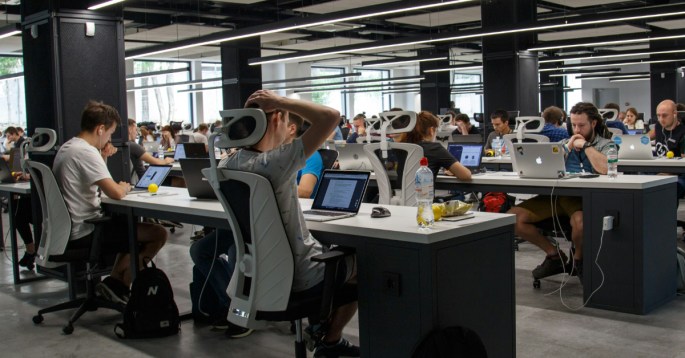
You wake up, sit at the table for breakfast, sit in the car or train to work, sit at your desk, sit in meetings, sit for lunch, sit again to finish your tasks, then sit on the sofa in the evening.

By the time you go to bed, you may have been on your feet for just a fraction of the day. It’s so normalised that we rarely question it — but our bodies (and minds) are quietly keeping score.


The Reality of the “Sitting Epidemic”

According to the World Health Organization, physical inactivity is one of the leading risk factors for global mortality. Prolonged sitting has been linked to:

  • Increased risk of cardiovascular disease
  • Musculoskeletal issues like lower back pain, tight hips, and hunched shoulders
  • Slower metabolism and reduced insulin sensitivity
  • Poor circulation, especially in the legs
  • Increased feelings of anxiety, stress, and mental fatigue

And here’s the kicker: hitting the gym for 30 minutes in the morning doesn’t completely undo 8+ hours of stillness. Movement needs to be sprinkled throughout the day, not just crammed into one block.


How Sitting Shapes Your Body and Mind

If you’ve ever stood up after a long Zoom call and felt creaky, you’ve experienced the short-term effects of sitting. Over time, these can build into deeper patterns.

Physically:

  • Hip flexor shortening: Sitting keeps your hips in a constant bend, which can make standing tall harder.
  • Weakened core and glutes: Your body relies more on the chair for support, so stabilising muscles get less activation.
  • Forward head posture: Hours of leaning towards a screen pull the neck and shoulders forward, creating tension.
  • Reduced spinal mobility: Your back is designed to move in many directions, but sitting locks it into one position.

Mentally and emotionally:

  • Lower energy: A static body means less blood flow and oxygen delivery to the brain.
  • Reduced focus: Mental fatigue builds without opportunities to physically reset.
  • Stress build-up: Without regular “off-ramps” for tension, your nervous system stays stuck in high gear.

Why Yoga Is the Perfect Counterbalance

Yoga isn’t just a “nice-to-have” for the flexible few. It’s a practical, adaptable antidote to the modern sitting-heavy lifestyle.

1. It undoes the posture of sitting

Through hip openers, gentle backbends, and shoulder stretches, yoga directly targets the muscle groups that tighten up when you sit.
Think of it as unravelling your body from the inside out.

2. It helps you breathe better

When you sit hunched, your diaphragm has less room to expand. Yoga’s emphasis on posture and breath opens space for deeper, more efficient breathing — bringing more oxygen to your brain and body.

3. It brings you back into your body

Many office workers live “neck-up” — constantly in thought, rarely noticing physical sensations. Yoga reintroduces awareness of the body, making it easier to catch tension before it becomes pain.

4. It calms your nervous system

Rather than adding more adrenaline to your day, yoga often shifts you towards the parasympathetic (rest-and-digest) state. This means finishing your workday feeling restored instead of depleted.


What It Looks Like in Real Life

You don’t have to commit to an hour-long practice to reap the benefits. Short, intentional breaks can make a noticeable difference. Examples:

  • Two-minute desk stretch: Interlace your fingers, press palms overhead, lengthen your spine, and take 3 slow breaths.
  • Chair twist: Sit tall, twist gently to one side, hold for 3 breaths, then switch.
  • Standing hip opener: Step away from your desk, place one ankle over the opposite knee, and hinge forward slightly.
  • Neck and shoulder release: Drop your right ear towards your right shoulder, breathe deeply, then switch sides.

These micro-movements can:

  • Reduce stiffness
  • Boost mental clarity
  • Improve circulation
  • Lower stress levels

Your Body Has Been Patient — But It’s Time

Our bodies are incredibly adaptable. They’ve been quietly managing the demands of desk life for years — but adaptability has limits. The aches, fatigue, and lack of focus are whispers that something needs to change.

The good news? You don’t have to overhaul your entire lifestyle overnight. Yoga offers a way to meet your body where it is — tight, tired, or tense — and gently bring it back into balance.

Because in a world hooked on sitting, movement isn’t indulgence — it’s essential maintenance.


Where to Begin

Start small:

  • Set a timer every 60–90 minutes to move for at least 2 minutes.
  • Incorporate a short yoga video into your lunch break or after work.
  • Swap scrolling for stretching a couple of times a week.

Your future self — with more energy, less pain, and a calmer mind — will thank you.

Yoga for Neurodivergent Minds: Why You Don’t Have to “Go It Alone” (and why the right teacher can make all the difference)

5–7 minutes

If you’ve ever tried to “just focus on your breath” and ended up mentally reorganising your entire calendar, reliving a random argument from 2014, or suddenly remembering the name of that actor you couldn’t place three days ago…I see you.

Yoga is often sold as this magical key to calm, but for those of us with ADHD or other forms of neurodivergence, the quiet, slow, stillness-based version of yoga can often feel…impossible, or worse: like we’re failing at something that’s supposed to help.

But here’s the truth: yoga doesn’t have to mean silence or stillness; it doesn’t have to be rigid or performative; and it absolutely doesn’t have to be something you figure out alone.

When it’s approached with care, curiosity, and support – yoga can become a lifeline, and a way to soothe your nervous system, reconnect to your body, and finally feel like you’re allowed to take up space, exactly as you are.

Why Traditional Yoga Spaces Can Feel So Difficult

Mainstream yoga – especially the way it’s often taught in studios or on apps – doesn’t always translate well for neurodivergent folks. It’s full of unspoken rules: be still, be quiet, and we often believe we need to “do it right”.

It also may be taught in sensory-intense environments: harsh lights, loud music, mirrors, heat. It can feel overly linear, slow, or repetitive in a way that doesn’t regulate, but irritates, and worst of all: it can leave you wondering if you’re the problem.

But you’re not; it’s just that these spaces were rarely designed with our brains or bodies in mind.

You Don’t Need Fixing – You Need Support

If yoga hasn’t worked for you in the past, maybe you were trying to fit yourself into someone else’s version of it.

Maybe you were told to close your eyes when that didn’t feel safe, or you were told to be still when what your body really needed was movement. Maybe you were made to feel like fidgeting, stimming, laughing, or needing more instruction made you “disruptive” or “difficult”.

You’re not difficult. You’re different. And you’re not alone.

When you find a way of practising that meets you – not a version of you that’s quieter or more focused or more palatable to some stranger you don’t even particularly care about – something shifts. Yoga becomes a source of safety, not stress.

What Actually Helps Neurodivergent Nervous Systems

Here’s what’s helped me, and what I now offer my own students – many of whom are neurodivergent too, whether they know it or not:

  • Rhythmic movement – flowy, repetitive sequences like gentle vinyāsa or rocking side to side help settle a restless mind
  • Breath and sound – tools like sighing, humming, or audible exhales soothe the vagus nerve and support co-regulation
  • Permission to choose – you don’t have to close your eyes, you can skip stillness altogether, and you can adapt every āsana
  • Short, digestible practices – you don’t need 90 minutes; sometimes five minutes is enough, sometimes just pausing is enough
  • Props and containment – bolsters, blankets, cushions, even weighted items can offer sensory feedback that helps you feel grounded and held.

Yoga doesn’t have to look or feel like what you see on Instagram; you don’t need fancy leggings, a quiet mind, or even a mat. You just need a way in.

Why It’s Harder Alone – and Why the Right Teacher Changes Everything

When you’re trying to figure it out on your own – especially with a fast-moving, nonlinear brain – it’s easy to feel overwhelmed or discouraged.

You start a YouTube video and abandon it five minutes in; you try a breathing practice and end up more agitated you roll out a mat, sit there blankly, and scroll instead.

And then comes the self-talk: why can’t I stick with anything? Why can’t I just do it properly?

This is where a supportive teacher makes a world of difference.

A teacher who understands neurodivergence won’t expect you to conform; they’ll offer structure without pressure, choices without overwhelm.

They’ll know that your needs might shift day to day – or moment to moment; they’ll welcome your fidgeting, your questions, your laughter, your “messiness”.

Because they get it. Because they’ve been there. Because they care more about you feeling safe than looking a certain way.

You’re not meant to go it alone.

How to Know If a Yoga Teacher or Space is ND-Affirming

Here are a few signs that you’re in a space that might actually support you:

  • They explain things clearly, without jargon
  • They invite options, not instructions: “If it feels good, try this. If not, skip it”
  • They check in without pressure
  • They don’t shame you for adapting, asking questions, or needing repetition
  • They offer a mix of movement and stillness, and honour your choice to opt in or out
  • You leave feeling more connected to yourself – not like you’ve failed

A Personal Note (Because You Deserve to Know You’re Not Alone)

I didn’t always know I was neurodivergent. I just knew that certain things – like sitting still, focusing, switching off – felt much harder for me than for other people.

I found yoga not because I was looking for mindfulness, but because I needed something. A way to feel less overwhelmed, a way to come back to myself.

I didn’t realise until much later that the practices I was drawn to – rhythmic movement, gentle repetition, soft containment – were exactly what my nervous system needed.

I didn’t “stick with it” because I was disciplined; I stuck with it because it made me feel safe, and for neurodivergent people, safety is everything.

Now, I teach in a way that offers that same support to others – because you shouldn’t have to figure this out alone.

You’re Not Broken – And You’re Not Too Much

If you’ve ever left a yoga class feeling like you did it wrong…
If you’ve ever abandoned a practice because your brain wouldn’t slow down…
If you’ve ever felt like your body, your mind, your needs are “too much”…

Please hear this:
You’re not too much. You’re not doing it wrong.
You just haven’t been offered your version of yoga yet.

One that welcomes you exactly as you are; that doesn’t demand stillness, but gently invites it. One that doesn’t try to change you, but helps you feel more you.

You don’t have to go it alone; and you don’t have to push through or mask your way through either. Support is available – and you’re allowed to ask for it.

You deserve to feel calm, clear, and connected. Not in spite of your neurodivergence – but because your nervous system matters.

If this post resonated with you, I’d love to hear from you. You can reply in the comments or send me a message – I truly mean it when I say you’re not alone.

Too Stiff for Yoga? Perfect – Let’s Start Here

4–7 minutes

“I’d love to do yoga, but I’m just not flexible enough.”

It’s the line I hear more than any other, and it always makes me smile, because the very reason people think they can’t start yoga – stiffness – is the very reason they should.

If you’ve ever thought yoga wasn’t for you because you can’t touch your toes, struggle to sit cross-legged, or feel more like a rigid clothes hanger than a graceful yogi – this post is for you.

Yoga Isn’t the Finish Line – It’s the Starting Point

Let’s get this out of the way: flexibility is not a requirement for yoga.  It’s something that may develop because of it.

Think of it like this: saying you’re too stiff to do yoga is like saying you’re too thirsty to drink water; the need is the reason.

Yoga was never intended to be a performance. Traditional yoga (rooted in Indian philosophy and embodied wisdom) was always about how you relate to your body and mind – not what weird shapes you can contort into.


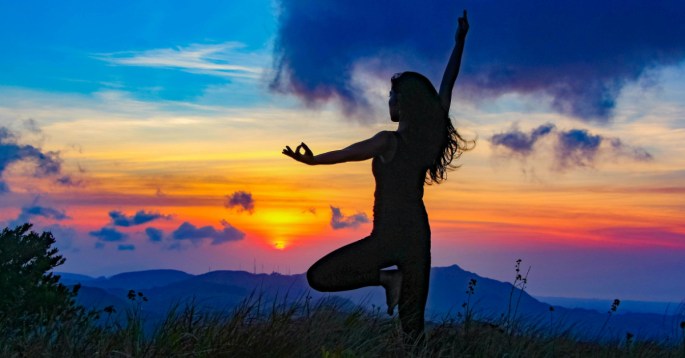
The image of the bendy, serene woman in a perfect backbend on a mountaintop? That’s branding, not yoga.

Your practice begins exactly where you are – stiff shoulders, tight hamstrings, aching back and all. That’s the point. Yoga meets you there.

Where Does Stiffness Actually Come From?

It’s easy to blame tight muscles, but stiffness isn’t just a physical thing – it’s often a combination of:

  • Sedentary habits (desk jobs, commuting, screen time)
  • Chronic stress (which causes your body to tighten up as a protective response)
  • Overuse or underuse of certain muscle groups (hello, upper traps and hip flexors)
  • Unaddressed emotional tension (grief, anxiety, and fear often show up in the body)

In other words, stiffness is your body doing its best to hold you together under pressure, it’s not a flaw – it’s a message. And yoga is a brilliant way to listen, respond, and gently unwind what’s been stuck.

“But I Work a 9–5, Sit All Day, and Barely Move…”

Exactly.

This is why yoga can be such a powerful antidote. Sitting for hours shortens and tightens the hip flexors, rounds the spine, weakens the core, and restricts the breath.


By the end of the day, your body feels like it’s been folded in half and forgotten.

You may notice:

  • Shoulder and neck tension
  • Low back pain
  • Stiff hips
  • Shallow breathing
  • Constant fatigue

Yoga addresses all of this, and no, that doesn’t mean leaping into a sweaty vinyāsa class or balancing on your hands. It starts with simple, supported, accessible movement.

You Don’t Need to Be Flexible — You Need to Be Willing

Willing to move, to breathe, to feel.

That’s it. That’s the whole requirement.

Some of my favourite students have arrived feeling completely disconnected from their bodies – stiff, overwhelmed, self-conscious, unsure; and they’re often the ones who experience the most powerful transformation.


Because the first step isn’t about the pose. It’s about reconnecting with your own sense of embodiment.

In a world that constantly pulls you out of yourself – into your inbox, your to-do list, your worries – yoga brings you back in.

Try These: Yoga ĀSANA (Poses) for Stiff Bodies

If you’re curious to start, here are some beginner-friendly, highly adaptable āsana. These are the ones I return to again and again for students who feel stiff, stressed, or just exhausted.

1. Supta baddha koṇāsana (Reclined bound angle pose)

Lie on your back, bring the soles of your feet together, and let your knees fall open. Support the knees with pillows if needed and focus on deep belly breathing to gently release through the hips and groin.

2. Apanāsana (Knees to chest pose)

Still on your back, hug your knees in to your chest and rock side to side to massage the lower back. It can be lovely way to relieve spinal tension and encourage your body to soften.

3. Balāsana (Child’s pose)

With knees wide and a bolster or pillows under your chest, allow your body to drape forward. This is great for calming the nervous system and releasing through the spine and shoulders.

4. Ardha mukha śvānāsana (Downward-facing dog) – but at the wall

Place your hands on a wall at shoulder height and walk back until your spine is long with your hips straight behind you, lower your head so your ears are comfortably between your upper arms. It’s a great modification if being on the floor feels inaccessible, and still opens the shoulders, lengthens the spine, and supports better posture.

5. Seated side bend or gentle spinal twist

Sit on the floor or in a stable chair, lift one arm overhead and bend gently to the opposite side; or cross one leg over the other and see whether it’s better for you to gently twist gently towards or away from it, allow the pelvis to move with your twist. This moves the spine in different directions without strain.

All of these can be done in under 10 minutes. No mat, no Lycra, no chanting. Just you, your breath, and a small decision to care for your body.

Mind Over “Should”

Often, what holds people back isn’t just physical stiffness – it’s mental resistance.

  • “I’ll look silly” (You won’t)
  • “I’m not a yoga person” (Yoga isn’t a test. There are no gold stars or red pens.)
  • “What if I do it wrong?” (The only “wrong” way to do yoga is to ignore your body and push through pain. Everything else is exploration.)

So… Are You Too Stiff for Yoga?

No. You’re exactly ready.


If you’re stiff, sore, or feel like your body’s working against you – that’s your invitation.

The people who think yoga is only for the flexible are missing the point: yoga is for the human, the tired, the tight, the tangled, the trying-their-best.

You don’t need to bend. You need to begin.

Want a Little Support?

If you’re not sure where to start, or you’re nervous about going to a group class, I offer gentle, beginner-friendly lessons – both online and in person – created for people who don’t feel like typical yogis (because what even is that, anyway?).

My classes are grounded in tradition, led with compassion, and built around you feeling better, not just more bendy.

Message me if you’d like to try a session – or just have a chat about what’s possible.

You’re not too stiff. You’re right on time.

Why I’m Starting Again (and Why You Might Want To, Too)

2–3 minutes

There’s a strange kind of clarity that comes with losing everything you didn’t realise you’d outgrown.

Recently, my website had a bit of a meltdown, and in the shuffle, I lost all my old blog posts. At first, I felt that familiar twist in the stomach – all that work, all those thoughts, gone. But after a few deep breaths (and a fairly lengthy internal dialogue), I realised something surprising: I didn’t want them back.

Not because they weren’t meaningful at the time – they were; but because I’ve changed, and I suspect you have too.

A Reset I Didn’t Know I Needed

Over the last year or so, my teaching has evolved; not just in the content I share – though there’s been a lot of that – but in how I hold space, how I support people under pressure, and how I define what real wellbeing means.

I now work more closely with professionals who are overwhelmed, overstretched, and quietly burning out behind polished smiles. The women I coach aren’t just looking for downward dogs and deep stretches – they’re craving clarity, calm, and a sense of control in lives that feel like they’re spinning.

And that’s not something I can offer through pretty Instagram quotes or cookie-cutter content. It has to be deeper, practical, nervous-system-aware, compassionate and strategic all at once.

It has to feel like an exhale.

So this, right here, is my fresh start – and maybe, if you’ve been needing one too, it’s yours.

What You’ll Find Here (Going Forward)

This blog will now be a space for:

  • Simple but powerful tools for resetting your mind and body when life gets intense
  • Practical applications of yoga, prāṇāyāma, and nidrā for real-life stress, not perfect-life aspirations
  • Reflections on the myths of balance, productivity, and pushing through – and what actually works instead
  • Stories from the mat, the desk, and the in-between spaces where clarity is often found

I’ll be writing with people like you in mind – people who don’t want fluff, but do want to feel lighter, less clenched, more able to focus, rest, and lead from a grounded place.

If You’ve Been Craving a Reset…

You’re not alone, and you don’t have to blow up your whole life to feel better. Sometimes, the shift begins with a single breath, or a new perspective, or even…a blank blog.

So here’s to starting again – not as a failure, but as a conscious return to what matters.

Welcome to the new chapter.

If this post resonated with you, I’d love for you to stick around; and remember: you’re not behind, you’re just ready for a reset.